


School’s out in Nottingham, and we’ve been seeing some of our hottest summer temperatures in recent memory. As the heat rises, cold drinks and ice creams are welcome refreshments!. I notice it every year at Park Dental Care, and hot spells like the ones we’ve just had make it even more obvious: more people come in mentioning sharp, short-lasting sensitivity when they have something cold.
It’s incredibly common, and summer has a way of making underlying sensitivity much more noticeable. Around Nottingham city centre, there’s been a real boom in places offering frozen drinks, bubble tea and indulgent cold desserts – and let’s be honest, when the sun’s out, we all enjoy grabbing an iced drink or a quick ice cream. But those chilly treats can highlight sensitivity you barely notice the rest of the year.
So why does it happen?

1. Cold treats hit exposed areas of the tooth
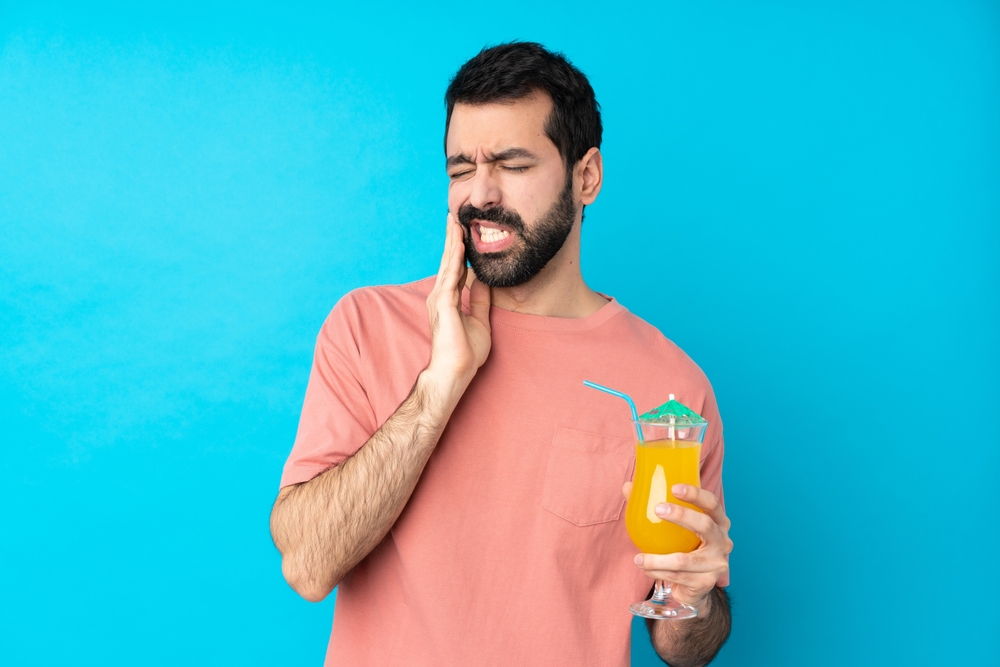
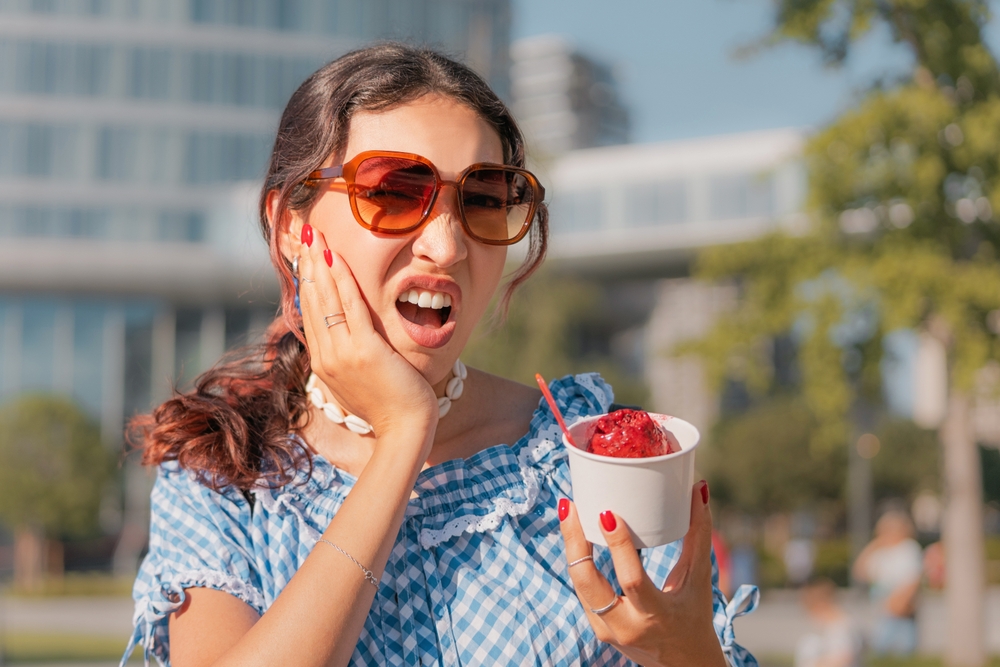
Ice cream, iced coffees, slushies and cold soft drinks can all trigger sensitivity when the protective layers of the tooth are slightly worn or gums have started to recede. That cold sensation travels quickly through exposed dentine, which is what causes that sudden “zing”.
2. More temperature changes than usual
Hot weather and cold treats cause extremes of temperature in a short time.. Warm outdoor air, then an iced drink. Sunbathing, then a cold dessert. These rapid temperature shifts make the fluid in your teeth expand and contract slightly, which is what your teeth “feel” and can exaggerate sensitivity.
3. Dehydration and dry mouth
One thing people often overlook is hydration. In warmer weather, we naturally lose more fluid, and if we are not replacing it properly, saliva levels can drop.
I often explain that saliva is your mouth’s natural protection system. It helps neutralise acids and protect enamel. When it reduces, teeth can feel more reactive.
Dry mouth affects around one in three people during summer, according to oral health research, and it can make sensitivity and decay more likely.
4. More acidic summer foods and drinks
Summer diets often include more acidic choices such as lemonades, fruit-based drinks, cocktails and citrus foods. These can temporarily soften enamel, which makes the nerves inside teeth more exposed and sensitive.
5. Iced drinks are becoming more common
Iced coffees, teas and milkshakes have become increasingly popular in recent years. These drinks are often sipped slowly, which means teeth are exposed to cold temperatures and sugar for longer than you might expect, and that can make sensitivity more noticeable.
6. Small cracks or early gum changes
Occasionally, sensitivity can be linked to tiny cracks in enamel or early gum changes. These are often straightforward to manage when picked up early, which is why it’s always worth getting things checked rather than ignoring them.
It’s also worth remembering that summer doesn’t usually create sensitivity on its own, it makes you notice something which is already going on. If enamel has worn slightly or gums have receded a little over time, seasonal indulgences simply make it more noticeable.
When it’s worth getting checked
If sensitivity lingers, becomes extreme or starts happening without cold triggers, it is worth having it looked at. In many cases it is straightforward to manage once we identify the cause.
Simple Ways to Reduce Summer Sensitivity
A few things I often recommend at Park Dental Care include:
- Using a toothpaste designed for sensitivity
- Avoid brushing immediately after acidic drinks
- Staying well hydrated throughout the day
- Using a straw for very cold drinks where possible
- Keeping up with regular dental check-ups
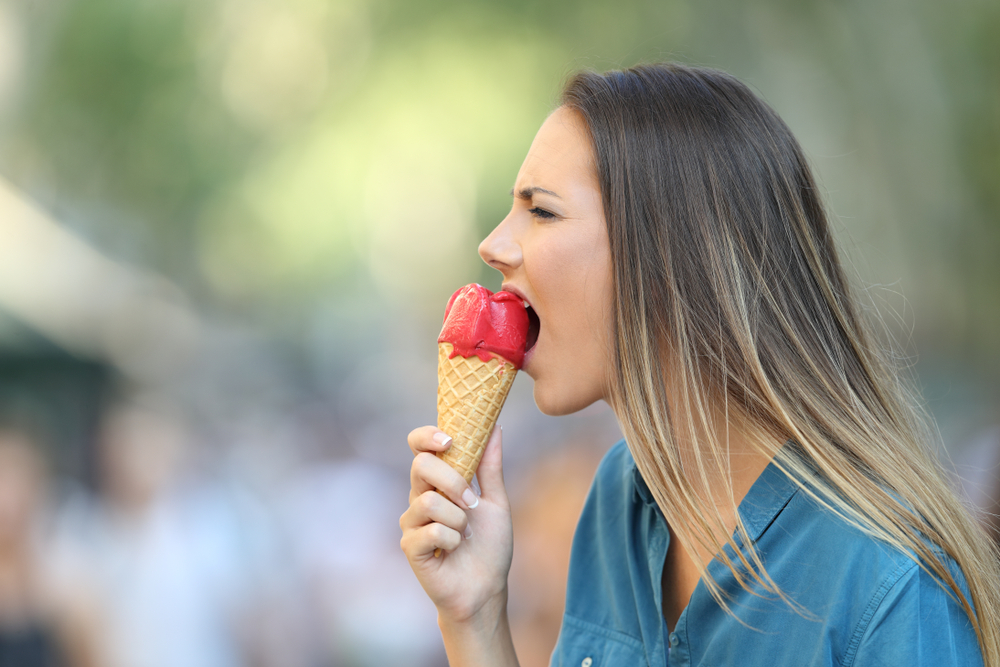
Summer should be about enjoying things like ice cream, cold drinks and time outdoors, not worrying about your teeth. If sensitivity is starting to get in the way, it is usually very manageable once we understand what is going on.
If you’re looking for a private dentist in Nottingham to help with sensitive teeth, or a family dental practice currently accepting new patients, we’d be happy to help at Park Dental Care. Get in touch to find out more, or follow us on social media for more practical dental tips and advice.