




Every year on 20th March, World Oral Health Day gives me an opportunity to highlight just how important it is to look after our mouths. It’s a moment designed to raise awareness of the essential role oral hygiene plays in our overall health and wellbeing.
The 2026 theme, “A Happy Mouth is a Happy Life,” is one I strongly believe in. Caring for our teeth and gums at every stage of life – from the moment a baby’s first tooth appears right through to later years – has a lasting impact on comfort, confidence, and general health.
This message is especially important here in England, where more than 20% of five‑year‑olds already show signs of tooth decay. It remains one of the most common health concerns in younger age groups, yet it is largely preventable with the right habits and support.
This World Oral Health Day, I’m sharing five simple but powerful ways you can improve your oral health – for yourself and for your family – based on the guidance I give every day at Park Dental Care in Nottingham.
1. Cut Back on Sugar (Especially Before Bed)
Sugar is the leading cause of tooth decay. When we eat or drink sugary foods, bacteria in the mouth produce acids that attack tooth enamel. With repetition, this leads to cavities.
A few straightforward changes can make a real difference:
- Reduce sugary snacks and fizzy drinks
- Swap sweets for tooth‑friendly options such as cheese, nuts, or plain yoghurt
- Keep sugary foods to mealtimes rather than grazing throughout the day
For younger family members, one golden rule I always emphasise is simple:
No evening snacks after brushing.
Once teeth are brushed at night, only water should be consumed. This allows fluoride from toothpaste to protect enamel overnight without interference from sugar.

2. Brush Twice a Day with Fluoride Toothpaste
Brushing twice daily – once in the morning and once before bed – with fluoride toothpaste is one of the most effective ways to prevent decay and gum disease.
Fluoride strengthens enamel and can help reverse early signs of decay. I encourage all clients to:
- Use a pea‑sized amount of toothpaste
- Spit, don’t rinse, after brushing to keep fluoride working for longer
- Brush for a full two minutes
For families, it’s important to support brushing from the moment the first tooth appears. Younger children simply don’t have the dexterity to clean effectively on their own, and supervision is usually needed until you can trust them to do a great job.
Establishing good habits early builds a strong foundation for lifelong oral health – perfectly aligned with this year’s World Oral Health Day focus on every life stage.
3. Clean Between Your Teeth Daily
I say this often in practice – and I’ll keep saying it – because it matters:
A toothbrush can only reach around 60% of tooth surfaces.
That means up to 40% of surfaces remain uncleaned if you’re not cleaning between your teeth every day.
Interdental brushes help remove plaque and food debris from areas a toothbrush can’t reach, reducing the risk of:
- Gum disease
- Bad breath
- Interdental decay
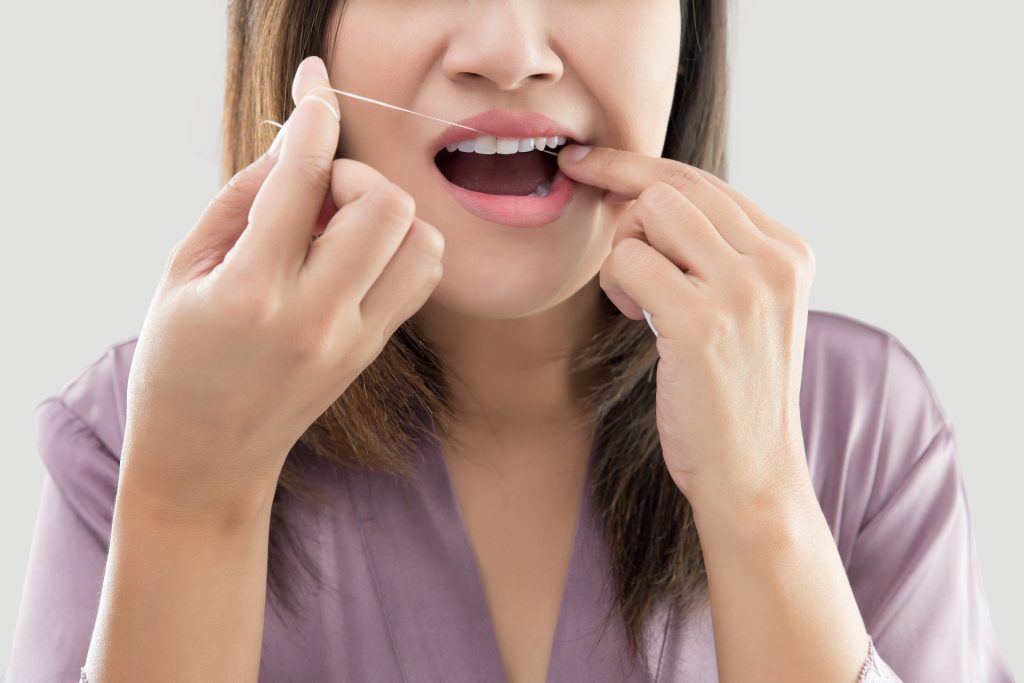
From when when you have all 28 normal adult teeth, interdental brushes are recommended as part of a daily routine, provided there is enough space for them to fit. I always advise clients on the correct size, as using the wrong one can be ineffective or cause irritation.
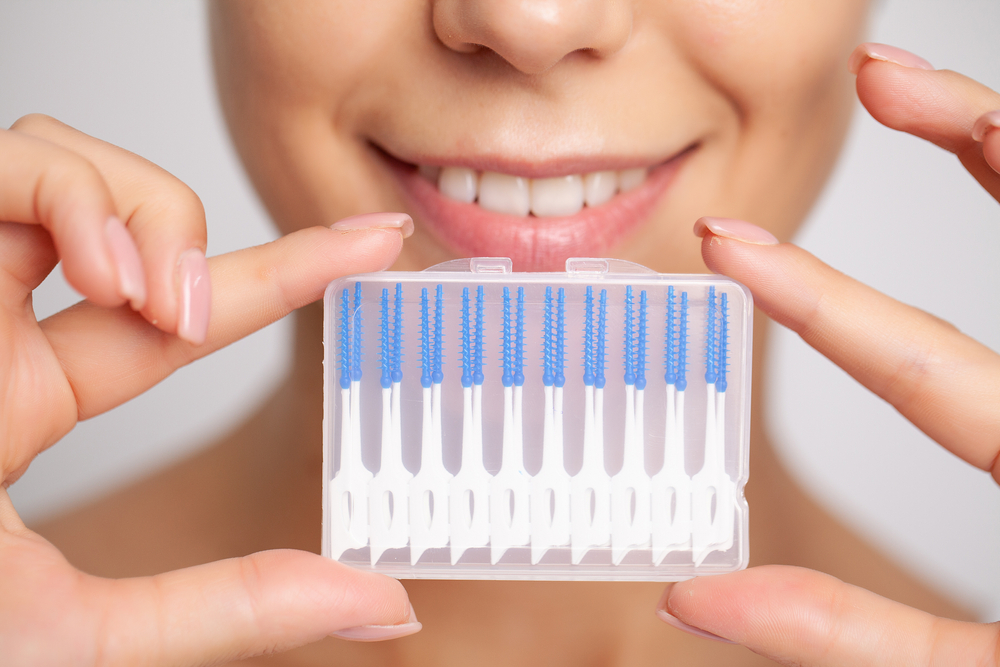
Interdental brushes are particularly helpful for:
- Cleaning around dental implants
- Maintaining hygiene with orthodontic appliances
- Supporting gum health between adults teeth.
If you’re unsure whether floss or interdental brushes are best for you or your family, I’m always happy to guide you during your visit to us at Park Dental Care in Nottingham.
4. Visit Your Dentist Regularly
Even if your teeth feel fine, regular dental check‑ups are essential. Many oral health issues – including gum disease and early decay – can develop without noticeable discomfort.
Routine visits allow me to:
- Detect issues early
- Provide preventative treatments
- Offer personalised advice
- Screen for oral cancer
Prevention is always better – and more affordable – than treatment.
At Park Dental Care in Nottingham, I focus on prevention‑first dentistry, helping clients of all ages maintain healthy, confident smiles with minimal intervention.

5. Don’t Skip Your Hygiene Appointments
Professional hygiene appointments play a crucial role in maintaining gum health. Even with excellent brushing and interdental cleaning, plaque can harden into tartar, which cannot be removed at home.
Our hygiene appointments help to:
- Remove hardened plaque
- Reduce gum inflammation
- Freshen breath
- Prevent progression of gum disease
Education is a key part of every appointment. I believe that understanding your oral health empowers you to care for it confidently at home.
A Happy Mouth Truly Is a Happy Life
Oral health is about far more than teeth alone. It affects how we eat, speak, smile, and feel about ourselves. Poor oral health can also be linked to wider health conditions, making prevention even more important.
This World Oral Health Day, it’s worth taking a moment to reflect on your daily habits:
- Are you brushing effectively?
- Are you cleaning between your teeth?
- Are younger family members protected from sugary night‑time snacks?
- When was your last check‑up?
Small changes can lead to meaningful improvements.
If you’d like advice tailored to you or your family, my team and I at Park Dental Care in Nottingham are here to help. Call us on 0115 9101447 or pop in and see us on St James’s Terrace.
From little ones to grandparents, we can protect your family’s smiles every day of the year – and when mouths are healthy, life simply feels better.