






For many teenagers, wisdom teeth arrive at one of the busiest times in life. School exams, sports commitments, social activities and growing independence all tend to peak just as these final molars begin to emerge. It can feel like just another thing to worry about, but in most cases wisdom teeth develop quietly and without causing problems.
When issues do arise, it helps to know what to look for and when to seek advice. At Park Dental Care in Nottingham, I regularly see parents who are unsure whether their teenager’s symptoms are linked to wisdom teeth. For families wanting timely reassurance and straightforward guidance, private care at our Nottingham practice can offer flexible appointment times and quicker access to diagnosis when concerns arise.
In this blog, we will look at how wisdom teeth develop, the most common signs that they may be causing problems, and when removal might be recommended.
What are Wisdom Teeth?
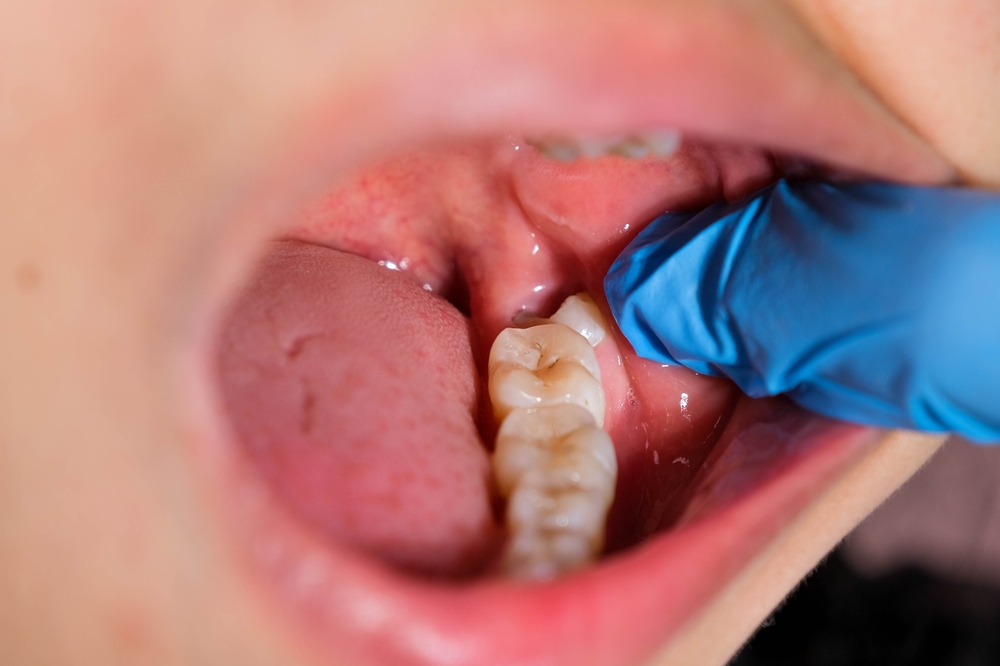
Wisdom teeth are the last permanent teeth to appear in the mouth. They are also known as third molars and usually emerge between the ages of 17 and 25. Some people notice them coming through with no discomfort at all, while others experience pain or pressure as they try to erupt.
These teeth actually begin developing much earlier in childhood, often around age 7 to 10. They sit hidden beneath the gums for years before making their appearance. In many cases, they are picked up on routine dental X-rays long before any symptoms begin.
Interestingly, wisdom teeth are a reminder of our evolution. Early humans had larger jaws and needed extra molars to chew tough, raw foods. As diets changed and cooking became common, our jaws gradually became smaller. Today, there is often less space for these additional teeth to erupt comfortably.
Do all wisdom teeth cause problems?
No. Many wisdom teeth come through without causing any issues and function just like any other molar. However, problems can occur when there is not enough room in the jaw or when the tooth erupts at an angle.
Common signs that wisdom teeth may be causing trouble include:
- Gum irritation or tenderness at the back of the mouth
- Jaw pain or stiffness
- Headaches or facial discomfort
- Swollen gums or glands
- Bad breath or an unpleasant taste
Parents sometimes mistake these symptoms for unrelated issues such as ear infections, sinus problems or general fatigue. If symptoms persist, a dental check-up is recommended.

Why Wisdom Teeth Can Cause Pain
Wisdom teeth can become problematic for several reasons:
- Impacted teeth
Sometimes wisdom teeth are unable to fully emerge because they are trapped in the jawbone or gums. This is known as impaction and can lead to discomfort or pressure. - Incorrect positioning
Wisdom teeth may grow at an angle and press against neighbouring teeth, which can cause damage to the neighbouring teeth. - Lack of space
Modern jaws are often too small to comfortably accommodate a third set of molars, leading to partial eruption or crowding. - Difficulty cleaning
Because wisdom teeth sit at the very back of the mouth, they can be difficult to brush and floss properly. This increases the risk of decay and gum disease.
Infections and Pericoronitis
One of the most common problems associated with partially erupted wisdom teeth is an inflammatory condition called pericoronitis. This occurs when bacteria become trapped under a flap of gum tissue, leading to swelling, pain and sometimes difficulty opening the mouth.
Pericoronitis is particularly common in teenagers and young adults and is often the reason for urgent dental visits. Early assessment can help prevent symptoms from worsening.

What happens if wisdom tooth removal is needed?
Wisdom tooth removal is one of the most common dental procedures carried out in the UK. In many cases, it is a straightforward treatment performed under local anaesthetic. Recovery is usually quick, with most clients returning to normal activities within a few days. I always provide clear aftercare instructions to support healing and reduce any discomfort.
Why Early Assessment Matters
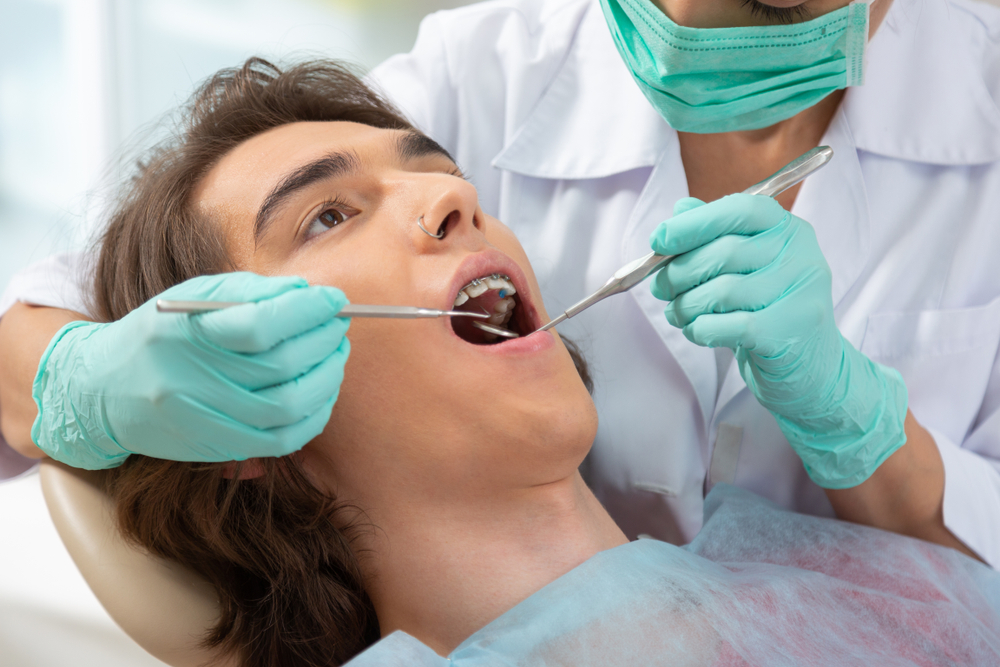
If you think your teenager’s wisdom teeth may be coming through, it is important to have them checked by a dentist. Regular examinations and X-rays allow us to monitor development and identify potential problems early, before they become painful or more complex to treat. Early intervention can help avoid complications such as infection, damage to nearby teeth or unnecessary discomfort.
Wisdom Teeth Care in Nottingham
At Park Dental Care in Nottingham, my team and I support families from across the area, including West Bridgford, Beeston, Arnold and surrounding communities in Nottinghamshire. We take a calm and preventative approach, helping teenagers feel at ease while giving parents clear, honest advice.
If you are concerned about your teenager’s wisdom teeth or simply want reassurance, we are here to help you make informed decisions about their oral health.
Many local families already trust Park Dental Care with their smiles, and you can see why in our client reviews. If you’d like the same level of care for your family, call us on 0115 9101447 or book a consultation online.